
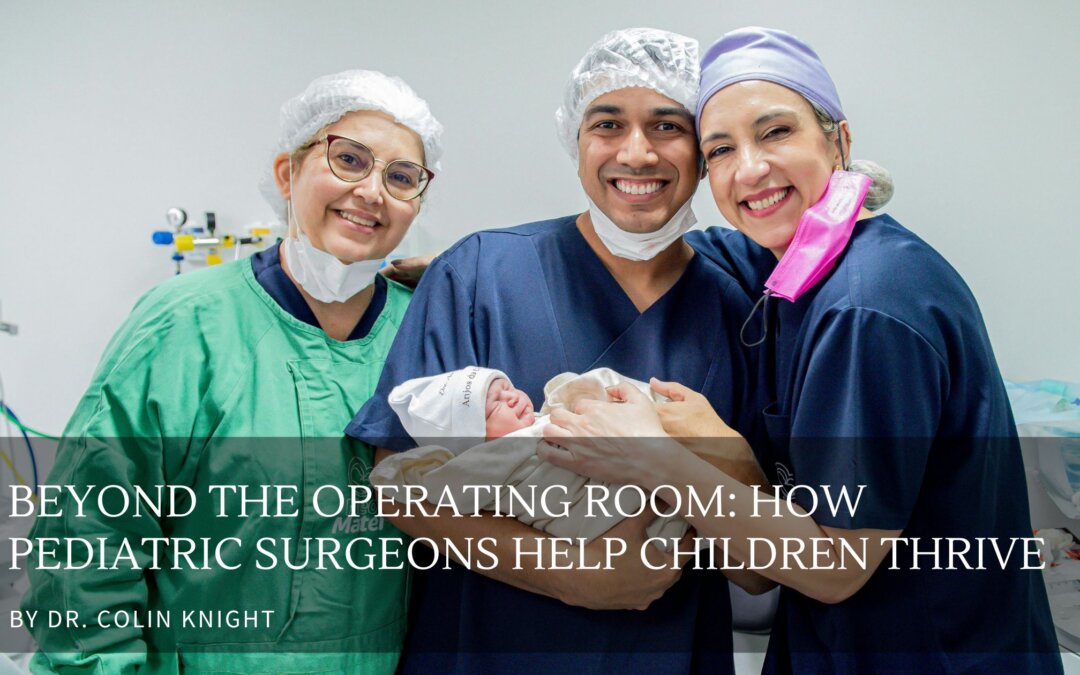
When parents hear that their child may need surgery, it can be one of the most stressful moments they ever experience. Fortunately, pediatric surgery is a highly specialized field dedicated to treating infants, children, and adolescents with surgical conditions while prioritizing their long-term growth, development, and well-being.In my years operating on children, I have learned that the hardest moment often comes before I pick up a scalpel. When I tell parents that their child needs surgery, I watch the worry settle over them. It may be the most frightening news they have ever heard. My work, as I see it, is to treat the surgical problem while keeping the whole child in view: the growth, the development, and the long life ahead.
Unlike adult surgery, pediatric surgery focuses on the unique needs of growing bodies. Children are not simply small adults—their anatomy, physiology, and emotional needs require a specialized approach. Pediatric surgeons undergo extensive training to diagnose and treat a wide range of conditions, from congenital abnormalities present at birth to injuries and illnesses that develop later in childhood.Pediatric surgery is not adult surgery done on a smaller scale. Children are not simply small adults. Their anatomy, their physiology, and their emotional needs ask for a different approach. We train for years to diagnose and repair a wide range of problems, from conditions present at birth to the injuries and illnesses that arrive later in childhood.
One of the most important aspects of pediatric surgery is early intervention. Conditions such as hernias, undescended testicles, congenital diaphragmatic hernias, and gastrointestinal abnormalities often benefit from prompt diagnosis and treatment. Early surgical care can prevent complications, improve quality of life, and help children achieve healthy developmental milestones.Much of what I do depends on acting early. Hernias, undescended testicles, congenital diaphragmatic hernias, and a range of gastrointestinal problems often do best with prompt diagnosis and repair. Early surgery can head off complications, improve a child’s daily life, and keep development on track.
Advancements in medical technology have also transformed pediatric surgery in recent years. Minimally invasive procedures, including laparoscopic and thoracoscopic surgery, allow surgeons to perform complex operations through very small incisions. These techniques often result in less pain, reduced scarring, shorter hospital stays, and faster recoveries. For children and their families, these benefits can make the surgical experience significantly less intimidating.Technology has changed this work a great deal over my career. Minimally invasive procedures, including laparoscopic and thoracoscopic surgery, let me operate through incisions a few millimeters wide. Children tend to feel less pain, carry smaller scars, leave the hospital sooner, and recover faster. For a frightened family, that smaller footprint makes the whole experience less daunting.
Pediatric surgeons also play a vital role in emergency care. Conditions such as appendicitis, traumatic injuries, intestinal blockages, and infections may require urgent surgical intervention. In these situations, a pediatric surgeon’s expertise ensures that treatment is tailored specifically to a child’s needs, helping achieve the best possible outcomes.I also spend a good share of my time in emergencies. Appendicitis, traumatic injury, intestinal blockage, and serious infection can all demand urgent surgery. In those hours a pediatric surgeon’s judgment matters, because the treatment has to fit a child’s body and not an adult’s.
Equally important is the emotional support provided throughout the surgical journey. Pediatric surgical teams work closely with parents, caregivers, anesthesiologists, nurses, and child-life specialists to create a supportive environment. Preparing children for surgery in an age-appropriate manner can help reduce anxiety and build trust, making the experience more manageable for everyone involved.The surgery itself is only part of the care. I work alongside parents, anesthesiologists, nurses, and child-life specialists to make the experience bearable. When we prepare a child for surgery in a way that fits their age, we lower their fear and earn their trust. That trust makes everything that follows easier.
Recovery does not end when the procedure is complete. Pediatric surgeons frequently provide ongoing follow-up care to monitor healing and ensure that children continue to grow and develop as expected. This long-term perspective is one of the defining characteristics of pediatric surgical care.Recovery does not end when I close the incision. I follow my patients afterward to watch them heal and to make sure they keep growing as they should. That long view is one of the things I value most about this field.
For parents, understanding when to seek evaluation from a pediatric surgeon can make a meaningful difference. Persistent abdominal pain, unexplained lumps or swelling, congenital abnormalities, or concerns raised by a pediatrician should never be ignored. Early consultation allows families to receive accurate information, explore treatment options, and make informed decisions about their child’s health.Parents often ask me when they should bring a child in. Persistent abdominal pain, an unexplained lump or swelling, a problem noted at birth, or a worry raised by your pediatrician all deserve attention. An early consultation gives a family accurate information, a clear look at the options, and the chance to make a sound decision.
Pediatric surgery is about far more than performing operations. It is about helping children overcome medical challenges so they can return to doing what they do best—learning, playing, growing, and enjoying life. Through specialized expertise, innovative technology, and compassionate care, pediatric surgeons help ensure that children have the healthiest possible future.This work is about far more than operating. It is about helping a child get past a medical problem and back to the things children do best: learning, playing, growing, and enjoying their days. Skill, good tools, and plain kindness each have a part in that.
When families partner with an experienced pediatric surgical team, they gain more than medical treatment—they gain a dedicated group of professionals committed to supporting their child’s health every step of the way.When a family works with an experienced pediatric surgical team, they get more than a procedure. They get a group of people committed to their child’s health at every step.